Types of Carpet: Cut Pile, Loop, Berber and the Fibers Behind Them
Carpet's basic constructions are cut pile, loop pile and cut-and-loop. Here is how each style wears, the five fibers most U.S. carpet uses, what hides footprints, and the cushion each needs.
Mr. Wright Flooring · Nov 18, 2026
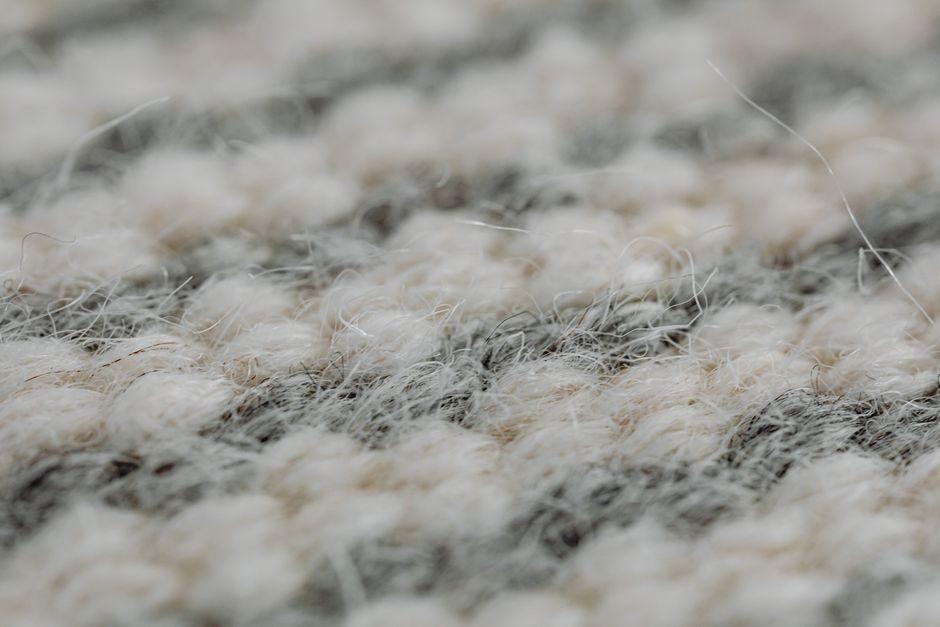
Carpet's basic constructions are cut pile, where you can see the end of each yarn; loop pile, where you see the tops of the loops; and cut-and-loop, which combines the two. Carpet is also sorted by fiber, and the Carpet and Rug Institute (CRI) says most carpet made in the U.S. uses one of five: nylon, polyester, polypropylene (olefin), triexta and wool.
Mr. Wright Flooring is a family-owned flooring company in Jacksonville, in business since 2012, and an authorized Mohawk retailer carrying Mohawk's SmartStrand and EverStrand carpet. This post is part of our complete guide to choosing a floor. Below, we walk through each construction, the fibers, pile height and the cushion that goes underneath.
Cut pile carpet and its styles
CRI calls cut pile one of the most popular constructions. Its durability comes from the type of fiber, how densely the tufts are packed and how much twist is in the yarn. CRI says highly twisted yarn holds its shape longer, which makes it a smart choice for high-traffic areas. CRI describes four common cut pile styles:
- Textured plush: a textured surface that helps hide footprints and vacuum marks. CRI calls it ideal for busy, high-traffic households.
- Saxony: a refined surface that works well in traditional living and dining rooms.
- Frieze: twisted yarns form a casual, "curly" texture that helps minimize footprints and vacuum marks.
- Plush (velvet): a dense, luxurious feel that is best for low-traffic areas and formal rooms, though it shows footprints and vacuum marks easily.
Key takeaway
CRI says yarn twist and tuft density drive cut pile durability, and textured plush or frieze hides footprints better than a smooth plush.
Loop pile and Berber carpet
Loop pile leaves the yarn looped instead of cut. CRI says level loop, with every loop the same height, gives a uniform look that holds up well in high-traffic areas. Many of today's popular Berber styles are level loop with flecks of a darker color on a lighter background, and Mohawk notes that Berber is a term often used for loop pile in general.
Multi-level loop usually has two or three loop heights that create a pattern. CRI says it offers good durability and a more casual look.
Loops can cause problems in a home with animals. CRI says claws can get stuck in loops and a dog or cat can rip them up, two problems that cut pile avoids. Our guide to the best flooring for pets and kids covers that in more depth.
Cut-and-loop carpet
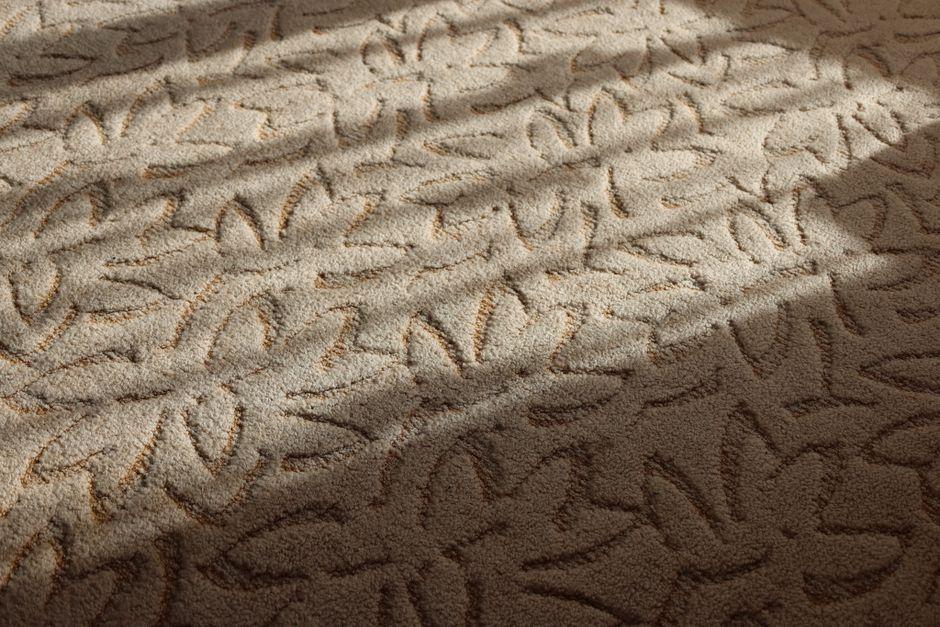
Cut-and-loop combines cut and looped yarns in one carpet. CRI says this creates sculptured textures such as squares, chevrons and swirls, and that multi-color versions are effective at hiding soil and stains.
Cut pile
You see the end of each yarn. Fiber, tuft density and yarn twist drive durability.
Level loop
Loops all the same height; holds up well in high traffic. Many Berber styles are level loop.
Multi-level loop
Usually two or three loop heights form a pattern, with good durability and a more casual look.
Cut-and-loop
Cut and looped yarns form sculptured textures; multi-color versions help hide soil and stains.
Source: Carpet and Rug Institute (CRI)
Carpet fibers compared
CRI says synthetic fibers make up the vast majority of the fiber used in U.S. carpet. It also says each fiber offers somewhat different durability, abrasion resistance, texture retention, stain and soil resistance, colorfastness, ease of cleaning and color clarity. Mohawk's carpet FAQ sums up four of them this way:
- Nylon: strong and resilient, and good at withstanding heavy foot traffic, though Mohawk notes it may need additional cleaning.
- Polyester (PET): known for softness and rich color. Some polyester carpet is made from recycled bottles.
- Triexta: soft and durable, with built-in stain protection.
- Wool: natural and luxurious, but it needs a bit more care than other fibers.
Two of the Mohawk lines we carry show how fiber choice plays out. SmartStrand carpet is made with SmartStrand Triexta fibers. Every SmartStrand Forever Clean product carries Mohawk's Limited Lifetime Triexta Stain Resistance Warranty, which covers stains from food and beverages, accidental bleach spills, benzoyl peroxide and other water-soluble stains that are not wax- or oil-based. EverStrand carpet is made from recycled plastic bottles that are cleaned and remade into PET fibers, and Mohawk lists it as inherently stain resistant.
Mohawk also points to solution-dyed polyester for stain resistance. With solution-dyed carpet, Mohawk explains, the color is built into the fiber instead of being added later, so the carpet resists bleaching and stains.
Key takeaway
Each fiber handles stains and wear somewhat differently, CRI says: Mohawk points to triexta or nylon for wear, and to triexta and solution-dyed polyester for stain resistance.
Pile height and busy rooms
Mohawk describes pile as how the fibers are cut and arranged. Low pile is more durable and easier to clean, while high pile is plush. For hallways, stairways and living rooms, Mohawk recommends durable low-pile options and says triexta or nylon are best for wear.
Care affects how long any carpet lasts. Mohawk says quality carpet can last 10 to 15 years or longer with proper care: vacuum regularly, deal with spills quickly, and schedule professional cleaning every 12 to 18 months.
The cushion matters too
The cushion, or pad, under the carpet has its own rules, and the sources set them differently. CRI says to check the carpet manufacturer's requirements for thickness and density first. As a general rule of thumb for most residential carpet, CRI suggests cushion no more than 7/16 inch thick and no less than 1/4 inch, at 6 pounds per cubic foot density. For Berber or low-profile carpet, CRI suggests cushion no more than 3/8 inch thick at 8 pounds density.
Mohawk's carpet warranty brochure recommends cushion for berber-style carpet with a density of at least 8 pounds per cubic foot, between 1/4 inch and 3/8 inch thick. Because the numbers differ by source, follow the requirements for the exact carpet you buy. Our carpet padding guide covers cushion in more depth, and our post on what goes into a carpet installation quote explains the rest of the job.
Key takeaway
Match the cushion to the carpet maker's requirements, since CRI's rule of thumb and Mohawk's berber recommendation are not the same.
| Guidance | Thickness | Density |
|---|---|---|
| CRI, most residential carpet | No less than 1/4 inch, no more than 7/16 inch | 6 pounds per cubic foot |
| CRI, Berber or low-profile carpet | No more than 3/8 inch | 8 pounds |
| Mohawk, berber-style carpet | Between 1/4 inch and 3/8 inch | At least 8 pounds per cubic foot |
Sources: CRI; Mohawk carpet warranty brochure. CRI says to check the carpet manufacturer's requirements first.
Choosing the right carpet for each room
Start with the room. For a busy hallway or family room, CRI's and Mohawk's guidance points toward tightly twisted cut pile, textured plush or level loop, in a durable fiber such as triexta or nylon. For a formal room with light traffic, CRI suggests plush, and it describes Saxony as suited to traditional living and dining rooms. If you have pets, CRI favors cut pile over loops.
You can see SmartStrand and EverStrand among the Mohawk lines we carry. When you are ready, request a free estimate and we'll measure your rooms at no charge.
Frequently asked questions
What are the main types of carpet?
Carpet's basic constructions are cut pile, loop pile and cut-and-loop. Cut pile shows the cut end of each yarn and includes styles such as textured plush, Saxony, frieze and plush (velvet). Loop pile shows the tops of the loops and includes level loop, multi-level loop and many Berber styles. Cut-and-loop mixes the two for sculptured patterns. CRI also sorts carpet by fiber, and says most U.S. carpet uses nylon, polyester, polypropylene (olefin), triexta or wool.
What type of carpet is the most durable?
CRI says cut pile durability comes from fiber type, tuft density and yarn twist, and that highly twisted yarn holds its shape longer in high-traffic areas. CRI also says level loop holds up well in high traffic. Mohawk recommends durable low-pile carpet for hallways, stairways and living rooms, and says triexta or nylon are best for wear.
What is Berber carpet?
Berber is a loop pile carpet. CRI says many of today's popular Berber styles are level loop, meaning same-height loops, with flecks of a darker color on a lighter background. Mohawk notes that Berber is a term often used for loop pile in general. Berber also has its own cushion guidance: CRI suggests cushion no more than 3/8 inch thick at 8 pounds density, and Mohawk recommends at least 8 pounds per cubic foot, between 1/4 inch and 3/8 inch thick. CRI says to check the carpet manufacturer's requirements for thickness and density first.
Which carpet hides footprints and vacuum marks best?
CRI says textured plush helps hide footprints and vacuum marks, and that frieze, with its twisted, curly yarns, helps minimize them. Plush, also called velvet, has a dense, luxurious feel but shows footprints and vacuum marks easily, so CRI suggests it for low-traffic areas and formal rooms.
Which carpet fiber resists stains best?
Mohawk points to triexta, which it says has stain resistance built into the fiber so stains do not bond and the carpet can be cleaned thoroughly. Mohawk also says solution-dyed polyester resists bleaching and stains because the color is built into the fiber. Mohawk's SmartStrand Forever Clean products carry a Limited Lifetime Triexta Stain Resistance Warranty against food and beverage stains and other water-soluble stains that are not wax- or oil-based.
How long does carpet last?
Mohawk says quality carpet can last 10 to 15 years or even longer with proper care. Its advice is to vacuum regularly, whether or not the carpet looks dirty, deal with spills quickly, and schedule professional cleaning every 12 to 18 months. That is Mohawk's estimate, not a warranty term.
Thinking about new floors?
The same crew, still family-owned. Free in-home estimate across Jacksonville and Northeast Florida.