
Tile Installation Cost: What Shapes Your Quote
Tile installation cost depends on the floor under the tile: how stiff and flat it is, slab curing and cracks, movement joints, and the old floor. Here is what TCNA says.
Mr. Wright Flooring · Nov 18, 2026
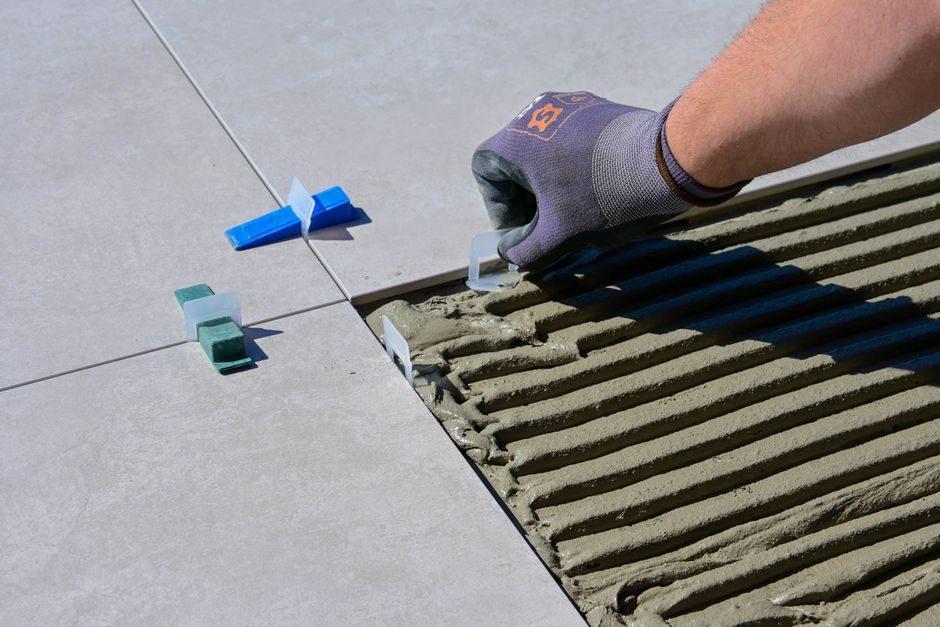
Tile installation cost depends on the tile you choose and on the floor underneath it: how stiff and flat the subfloor is, whether a concrete slab needs a crack isolation membrane, where movement joints go, and whether the old floor stays or comes up. Instead of publishing per-square-foot prices, Mr. Wright Flooring gives you a free in-home measure and estimate, and this guide explains what TCNA says shapes the job.
We're a family-owned flooring company in Jacksonville, serving Northeast Florida since 2012. The guidance below comes from the Tile Council of North America (TCNA). This guide is part of our flooring cost guide. If you're still choosing a tile, see ceramic vs. porcelain tile, or browse our tile flooring options.
Why tile needs a stiff floor
TCNA says the traditional accepted minimum for floor rigidity under tile is L/360, measured before the tile underlayment is installed. L/360 means the floor should not deflect, or bend under load, more than its span divided by 360.
When the floor below moves too much or breaks down, tile can lose its grip. TCNA lists excessive deflection among the causes of tile losing its bond to the subfloor, along with moisture-induced deterioration or delamination of the subfloor, sealer applied to the subfloor, and paint or lacquer overspray on it.
The subfloor material matters too. TCNA says the ANSI tile installation standards it cites (A108 – 1999) specifically exclude oriented strand board (OSB), and that thinset manufacturers do not recommend installing ceramic tile directly to OSB. TCNA adds that this does not mean tile can't be installed reliably over OSB, but the conditions are debated and each installation-materials maker sets its own methods. When tiling over another floor, TCNA says the entire substrate below the tile is important, not only the layer the tile is bonded to.
Key takeaway
A tile job has to account for the whole floor under the tile, from how much it flexes to what the subfloor is made of.
A flat substrate keeps tile edges even
Lippage is the height difference between neighboring tiles. TCNA says variations in the plane of the substrate affect lippage, and that in many cases tile set by the thinset method over an uneven substrate will not meet lippage standards. That makes flattening the floor a possible part of the job before tile goes down.
Concrete slabs: curing and cracks
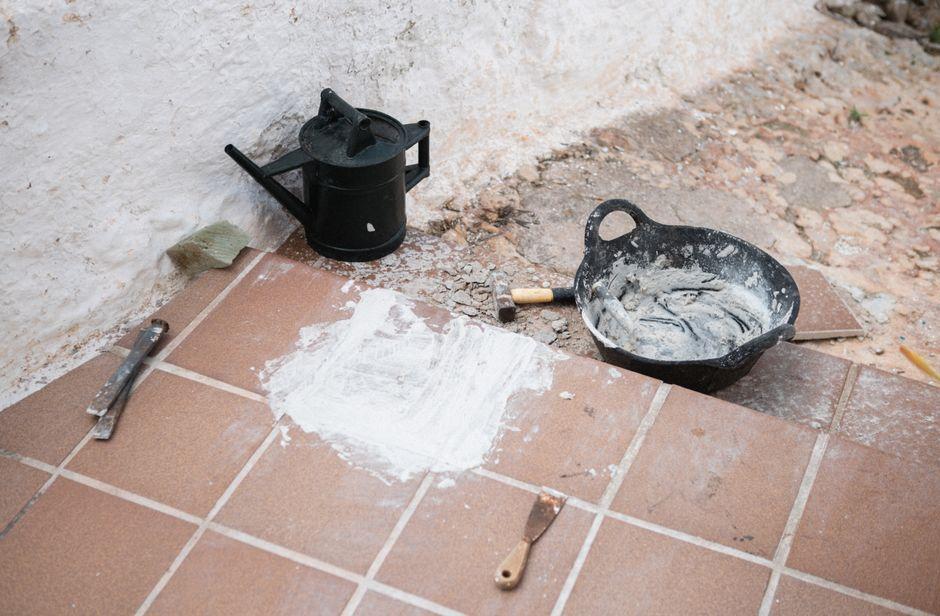
On a new slab, timing matters. TCNA says it is not possible to state definitively how long concrete should cure before tiling. Many people suggest a minimum cure of 28 days under normal conditions, and TCNA notes that most thinset manufacturers say 14 days may work with a premium latex-modified thinset, though there are risks to tiling too soon.
Cracks are the other concern. TCNA explains that even small shrinkage cracks in concrete can stay active, and that continued curing can make them expand or spread. It says that cracking can be kept out of the tile layer by setting the tile on a mortar bed over a cleavage membrane, or by setting it over a crack isolation membrane with the thinset method.
Crack isolation membranes are sold for everything from isolating shrinkage cracks to protecting an entire floor from potential cracking, according to TCNA. When a membrane covers the whole floor, TCNA says many manufacturers will warrant the entire floor installation, including replacing and installing new tile.
Key takeaway
On concrete, ask whether your floor needs a crack isolation membrane, because TCNA says many manufacturers warrant the entire installation when one covers the whole floor.
Tile
TCNA's Handbook recommends allowing for expansion and contraction in every tile installation.
Thinset
In many cases, thinset-set tile over an uneven substrate won't meet lippage standards.
Crack isolation membrane
Can keep small shrinkage cracks in the slab out of the tile layer; does not replace movement joints.
Concrete slab
Shrinkage cracks can stay active and spread; TCNA says cure time can't be stated definitively.
Source: Tile Council of North America (TCNA). A mortar bed over a cleavage membrane is the other method TCNA names.
Movement joints are part of every tile job
TCNA says its Handbook recommends allowing for expansion and contraction in every tile installation. In small rooms, a gap at the perimeter, often hidden by baseboard or shoe molding, is enough. In larger areas the movement joints will be visible, and indoors they are placed more often where moisture or direct sunlight is expected.
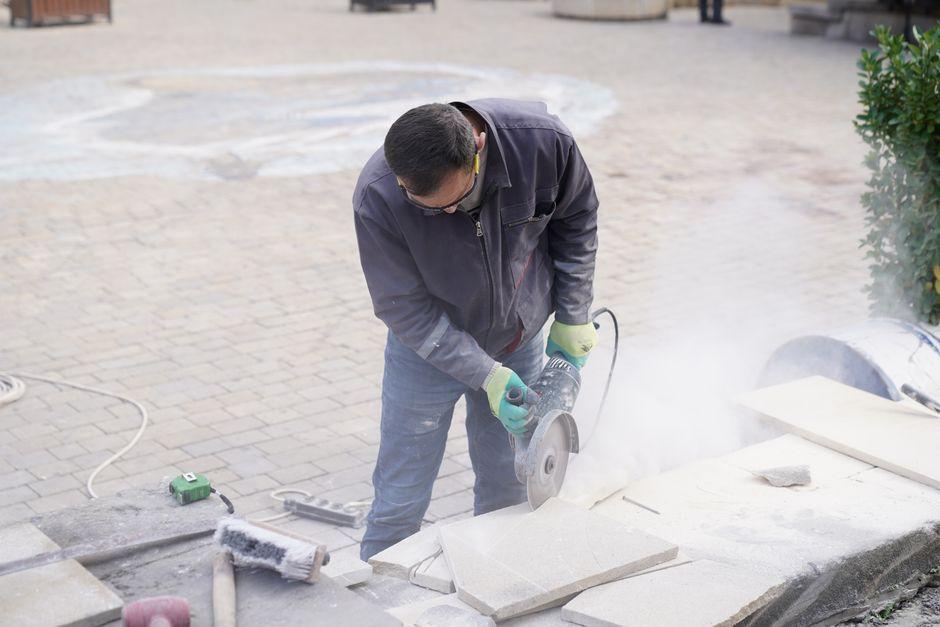
A membrane does not replace them. TCNA calls it a frequent misconception that anti-fracture membranes let you skip movement joints, and it says there must always be soft joints in the tilework. If you're planning tile for a wet room, our guide to the best flooring for kitchens and bathrooms is a good next read.
Small rooms
A perimeter gap, often hidden by baseboard or shoe molding, is enough.
Larger areas
Movement joints will be visible; indoors, placed more often where moisture or direct sunlight is expected.
With a membrane
Still needed. TCNA says there must always be soft joints in the tilework.
Source: Tile Council of North America (TCNA)
Can new tile go over old tile?
Sometimes. TCNA says tiling over existing tile is done regularly where floor height is not a limitation and the existing tile is well-bonded. Depending on the tile already installed, it may need to be mechanically abraded for a good bond, which TCNA says is usually best determined with a bond test.
If the old floor comes up instead, ask how your estimate handles removal and haul-away. For other floors, our guides to laminate installation cost and LVP installation cost cover what each one needs.
How our tile estimate works
You can buy tile from us and have our crew install it, have us install tile you bought elsewhere through our professional installation service, or buy it from us and install it yourself or hire your own crew. On every project we install, an experienced team leader supervises the work and keeps it inside the manufacturer's warranty guidelines.
If we supply both the material and the installation, the material is covered for 2 years and the installation for 2 years. If you supply the material and we install it, the material is covered for 1 year and the installation for 1 year from the installation date. Financing is available through Synchrony.
The subfloor, the slab, movement joints and the old floor all shape what a tile job involves. To see what your rooms need, request a free estimate and we'll measure your home at no charge, or call (904) 443-9473.
Frequently asked questions
How much does it cost to install tile in Jacksonville?
It depends on your rooms and what is under the tile: whether the floor is stiff and flat enough, whether a concrete slab needs a crack isolation membrane, where movement joints go, and whether old flooring has to come up. Instead of publishing per-square-foot prices, Mr. Wright Flooring gives you a free in-home measure and estimate based on your rooms and the tile you choose.
Can new tile go over old tile?
Often, if conditions allow. The Tile Council of North America says tiling over existing tile is done regularly where floor height is not a limitation and the existing tile is well-bonded. Depending on the old tile, it may need to be mechanically abraded for a good bond, which TCNA says is usually best determined with a bond test. TCNA adds that the entire substrate below the tile matters, not only the surface it bonds to.
Do I need a crack isolation membrane under tile?
It depends on the slab. TCNA says even small shrinkage cracks in concrete can expand or spread as the slab keeps curing, and that a crack isolation membrane under thinset, or a mortar bed over a cleavage membrane, can keep that cracking out of the tile layer. When a membrane covers the whole floor, TCNA says many manufacturers will warrant the entire installation. Membranes do not replace movement joints.
How long should a new concrete slab cure before tile?
TCNA says it is not possible to state definitively how long concrete should cure before tiling. Many people suggest a minimum of 28 days under normal conditions, and TCNA notes that most thinset manufacturers say 14 days may work with a premium latex-modified thinset. TCNA also warns there are risks to tiling too soon.
Why does tile come loose from the floor?
TCNA lists several causes of tile losing its bond to the subfloor. They include excessive deflection, moisture-induced deterioration of the subfloor, delamination of the subfloor, sealer applied to the subfloor, and paint or lacquer overspray on it. TCNA also lists expansion and contraction where movement joints are insufficient, and poor-quality thinset or thinset coverage. TCNA also points to the subfloor material: it says the ANSI standards it cites exclude OSB, and thinset manufacturers do not recommend installing ceramic tile directly to OSB. TCNA adds that this does not mean tile can't be installed reliably over OSB, but the conditions are debated and each installation-materials maker sets its own methods.
What are movement joints, and does my tile floor need them?
Movement joints are soft joints that let tile expand and contract. TCNA says its Handbook recommends allowing for them in every tile installation. In small rooms, a perimeter gap hidden by baseboard or shoe molding is enough. In larger areas the joints are visible, and indoors they go in more often where moisture or direct sunlight is expected. TCNA says anti-fracture membranes do not remove the need for them.
Thinking about new floors?
The same crew, still family-owned. Free in-home estimate across Jacksonville and Northeast Florida.