Hardwood Floor Care: Cleaning, Humidity and Protection
Dry dust often, damp mop with very little moisture, wipe spills right away, and use the cleaner your floor's maker recommends. Here is what the NWFA and Mohawk say about caring for wood floors.
Mr. Wright Flooring · Nov 18, 2026
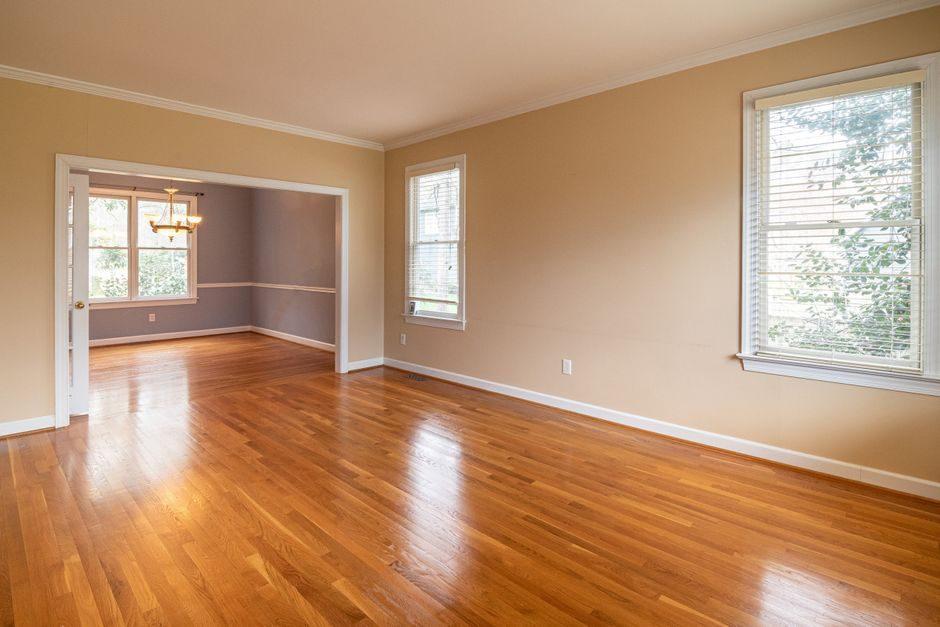
To care for hardwood floors, dry dust them often, damp mop with very little moisture, wipe up spills right away, and use only the cleaning products your floor's manufacturer recommends. That is the core of the care chapter in the National Wood Flooring Association's (NWFA) installation guidelines. The same guidelines say that a wood floor, properly maintained, will last for the lifetime of the structure it is installed in. Keeping indoor humidity steady is part of the routine too.
Mr. Wright Flooring is a family-owned flooring company in Jacksonville, serving Northeast Florida since 2012. We are an NWFA member and an authorized Mohawk retailer. This post is part of our flooring installation and care guide, and it covers daily and weekly cleaning, how Mohawk's rules compare with the NWFA's, what not to use, humidity, and protecting the surface.
Daily and weekly care, according to the NWFA
The NWFA's guidance below comes from its Wood Flooring Installation Guidelines, a technical publication whose care chapter is written for installers to pass on to homeowners. It splits care into preventative maintenance, such as floor protectors and throw rugs, and routine maintenance, which starts with the right cleaning products.
The NWFA says to dry sweep wood floors frequently, meaning daily, with a high-quality dry dusting mop that uses disposable or washable cloths. Grit left on the floor can be ground into it and damage the finish, and the NWFA notes that fine dirt mixed with moisture can turn into a film that dulls the floor. If you vacuum, use only a vacuum with a hard-surface setting, and turn off the beater bar or brush.
Wipe up spills immediately so standing liquid can't damage the floor. The NWFA recommends damp mopping regularly, meaning weekly, with a mop that is only slightly moistened and well wrung out, so very little moisture is left on the surface. If you use a spray mop, the NWFA says to choose a high-quality one that controls how much solution goes down and comes with super-absorbent pads.
Key takeaway
The NWFA's routine is a dry dusting mop every day and a barely damp mop once a week, with spills wiped up as soon as they happen.
Daily
Dry sweep with a high-quality dry dusting mop using disposable or washable cloths.
Weekly
Damp mop with a mop only slightly moistened and well wrung out.
Right away
Wipe up spills immediately so standing liquid can't damage the floor.
When vacuuming
Use only a hard-surface setting, with the beater bar or brush turned off.
Source: NWFA Wood Flooring Installation Guidelines, care chapter.
Check your floor's manufacturer first
The NWFA says to follow the flooring or finish manufacturer's recommendations for maintenance and for which cleaning products to use. It notes that natural oil and wax finishes need extra precautions. If you don't know who made the floor or its finish, the NWFA says a wood flooring professional should be able to identify the finish and recommend a suitable cleaner.
Mohawk's care page for its engineered wood floors says to dust mop, sweep or vacuum regularly, use a microfiber mop for dusting, and never use a vacuum with a beater bar or power rotary brush head. It rules out oil soaps, wax, detergents, abrasive cleaners, polishes, other household products and power scrubbers. Mohawk's care FAQ says to clean with Mohawk Floor Care Essentials Hard Surface Cleaner, applied to a terry cloth flooring mop and not directly to the floor.
Mohawk's FAQ also says, in general terms, never to wet mop a wood floor, because it raises the grain and may permanently damage the surface. Its wood warranty brochure sets terms by line, though. TecWood Essentials, Select and Plus carry a Wet Resistance Warranty: damp mop only, not designed for wet or steam mopping, with spills to be wiped up within 30 minutes. TecWood Enhanced carries an Enhanced Wet Resistance Warranty, which says the floor will withstand moisture from steam, wet or damp mopping, with a 72-hour limit on topical moisture. Check the warranty for your exact line.
Key takeaway
Start with your floor maker's care instructions, because Mohawk's rules for its own wood floors are more specific than general wood floor advice and change from line to line.
What not to use on wood floors
The NWFA's installation guidelines list products and habits to avoid:
- A traditional mop and bucket, which can leave too much water; the NWFA says standing water can cause cracks, splits, cupping, warping, finish damage and a sticky residue.
- Steam cleaners, which the NWFA says push water vapor into the wood fibers and cause irreversible damage to the wood and finish.
- Vinegar, which the NWFA says is acidic and will degrade the floor finish.
- Sheet vinyl or tile care products, and self-polishing acrylic waxes.
- Products that claim to restore, rejuvenate, add shine or polish, and household wet dusting products, unless the flooring or finish maker recommends them.
- Wax on a finish that is not a wax finish, and oil soaps on urethane or other film-forming finishes unless the maker recommends them.
Two of those points conflict with Mohawk's terms for some of its products. On steam, Mohawk's TecWood Enhanced warranty says the floor will withstand steam mopping. On vinegar, Mohawk's care page for its engineered and laminated wood floors allows, where the product permits wet mopping, 1 cup of vinegar or 1/3 cup of non-sudsing ammonia per gallon of water. For a named Mohawk product, follow Mohawk; for any other wood floor, follow its own manufacturer.
The NWFA explains why this matters: improper cleaning products can damage floor coatings and may void manufacturer and labor warranties.
Key takeaway
The NWFA says to skip the mop and bucket, and to avoid shine products and oil soaps on film finishes unless your floor's maker recommends them; check your floor's own instructions before using vinegar or steam.
Keeping humidity steady in a Jacksonville home
The NWFA says to keep a consistent indoor environment all year to limit floor movement, using a humidifier in dry months and a dehumidifier in humid months. As a general rule for solid wood, with geographic exceptions, the NWFA gives a range of 30% to 50% relative humidity and 60 to 80°F. For factory-finished solid and engineered floors, it says to follow the manufacturer's requirements.

Mohawk's TecWood instructions call for permanent HVAC kept between 65°F and 75°F and 35% to 55% relative humidity for the life of the floor. In areas with high humidity year-round, Mohawk says to hold that range with an air conditioner or dehumidifier. Mohawk's care FAQ adds that all wood floors can be affected by extreme changes in humidity, and that engineered wood is less affected than solid wood.
Mohawk also says seasonal gapping between planks is not a manufacturing defect, and its warranties do not cover damage from humidity that runs too low or too high. Our guide to flooring that holds up to Florida humidity goes deeper, and Can you put real hardwood in a Florida house? compares solid and engineered wood.
| Source | Relative humidity | Temperature | Applies to |
|---|---|---|---|
| NWFA | 30% to 50% | 60 to 80°F | General rule for solid wood, with geographic exceptions |
| Mohawk TecWood instructions | 35% to 55% | 65°F to 75°F | TecWood floors, for the life of the floor |
Sources: NWFA installation guidelines (factory-finished floors follow the manufacturer); Mohawk TecWood installation instructions.
Protecting the surface
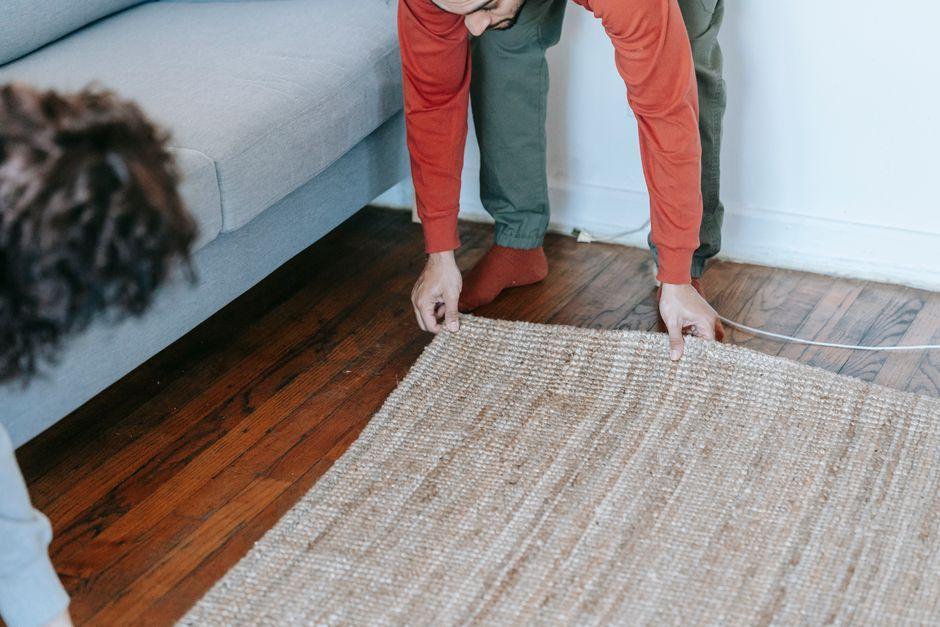
The NWFA recommends breathable throw rugs inside and outside doorways to catch grit, sand and moisture, and says not to use non-breathable coverings on wood floors. Put fabric-faced glides under furniture legs, avoid cleats, sports shoes and high heels, keep pet claws trimmed, and don't slide heavy furniture across the floor.
Rugs also change how the floor ages. The NWFA notes that area rugs shield the wood from sun exposure, which leads to color differences. It also warns that some non-skid rug pads can imprint their pattern onto the finish, and that natural fiber pads may transfer less than some synthetic pads. Mohawk's wood warranty brochure adds that cleaning both sides of interior mats, and the floor underneath, keeps trapped grit from dulling the finish.
Key takeaway
Protection is part of care too: breathable rugs at the doors, glides under furniture, trimmed pet claws, and care with non-skid rug pads.
Caring for the floor you choose
Good hardwood care is simple and steady: keep grit off the floor, keep water to a minimum, follow your manufacturer's cleaning rules and hold indoor humidity in range. You can learn more about our hardwood flooring and engineered hardwood flooring, or read our care guides for laminate and LVP floors. On every project we install, an experienced team leader supervises the work and keeps it inside the manufacturer's warranty guidelines. To plan a new wood floor, request a free estimate.
Frequently asked questions
How do you take care of hardwood floors?
The NWFA's installation guidelines recommend dry dusting daily with a high-quality dusting mop, damp mopping weekly with a well-wrung-out mop, wiping spills right away, and vacuuming only on a hard-surface setting with the beater bar off. They also call for following your floor or finish manufacturer's cleaning recommendations, using breathable rugs at doorways and glides under furniture, and keeping indoor humidity consistent year-round.
How often should you clean hardwood floors?
The NWFA recommends dry sweeping frequently, meaning daily, to remove grit that can be ground into the finish. It recommends damp mopping regularly, meaning weekly, with a mop that is only slightly moistened and well wrung out. Spills should be wiped up immediately. Your floor's manufacturer may set its own rules, so check those too.
Can you use vinegar on hardwood floors?
Sources disagree. The NWFA's installation guidelines say not to use vinegar on wood floor finishes, because it is acidic and degrades the finish. Mohawk's care page for its engineered and laminated wood floors allows, where the product permits wet mopping, 1 cup of vinegar per gallon of water. For a Mohawk floor, follow Mohawk's instructions; for another brand, follow that maker's.
Can you steam mop hardwood floors?
The NWFA says not to use steam cleaners on wood floors, because water vapor gets into the wood fibers and causes irreversible damage. Mohawk's terms vary by line: TecWood Essentials, Select and Plus are damp mop only and not designed for steam mopping, while Mohawk's TecWood Enhanced warranty says the floor will withstand steam, wet or damp mopping. Check the warranty for your exact floor.
What humidity is best for hardwood floors?
It depends on the floor. As a general rule for solid wood, with geographic exceptions, the NWFA gives 30% to 50% relative humidity and 60 to 80°F, and it says factory-finished floors should follow the manufacturer's requirements. Mohawk's TecWood instructions call for 35% to 55% and 65 to 75°F for the life of the floor, with an air conditioner or dehumidifier in humid areas.
Can area rugs damage hardwood floors?
They can affect it. The NWFA notes that area rugs shield the wood from sun, which leads to color differences between covered and uncovered areas. It also warns that some non-skid rug pads can imprint their pattern onto the finish, and that natural fiber pads may transfer less than some synthetic pads. The NWFA still recommends breathable throw rugs inside and outside doorways to catch grit.
Thinking about new floors?
The same crew, still family-owned. Free in-home estimate across Jacksonville and Northeast Florida.